What a walk-through will not show you
A house in Cedar Hill can look finished and still be hiding the expensive parts. A foundation crack sits behind a flower bed. The roof and the windows wear out from the outside in, long before anything drips. Faulty wiring looks like every other outlet until it is under load.
The slower problems are quieter still: a leak that only shows up on the water bill, low water pressure that turns out to be a pipe issue, an HVAC system near the end of its life, thin insulation over the bedrooms. None of that is on the listing sheet, and most of it can be found in a single visit by someone who knows where to look.
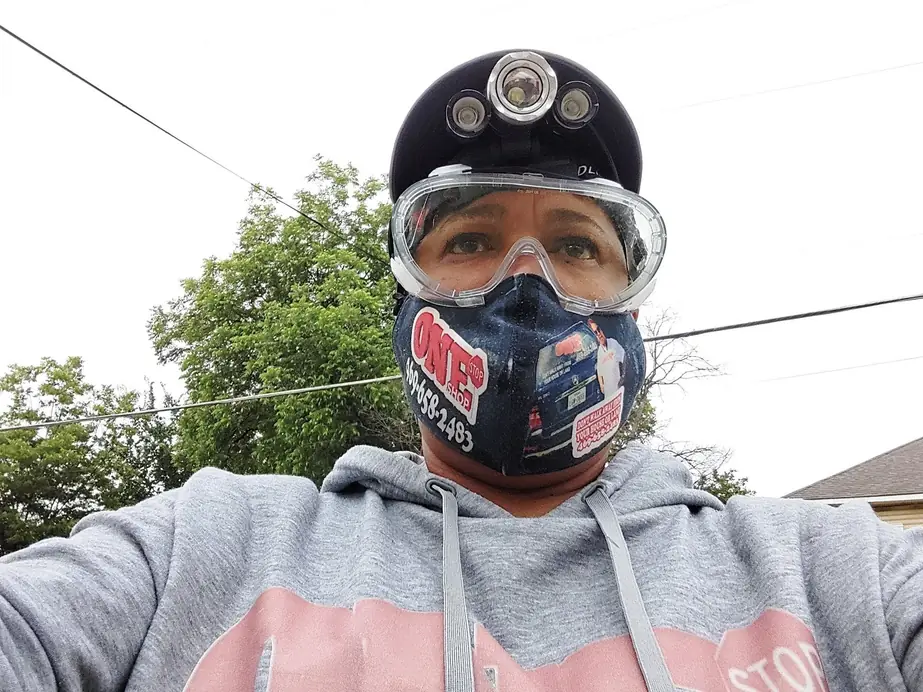
That is the job Bridgette Miller, a HUD FHA Inspector, and the One Stop Shop team do. Call (469) 658-2483, give us the address, and we will tell you what the house is hiding.
How the inspection runs, in order
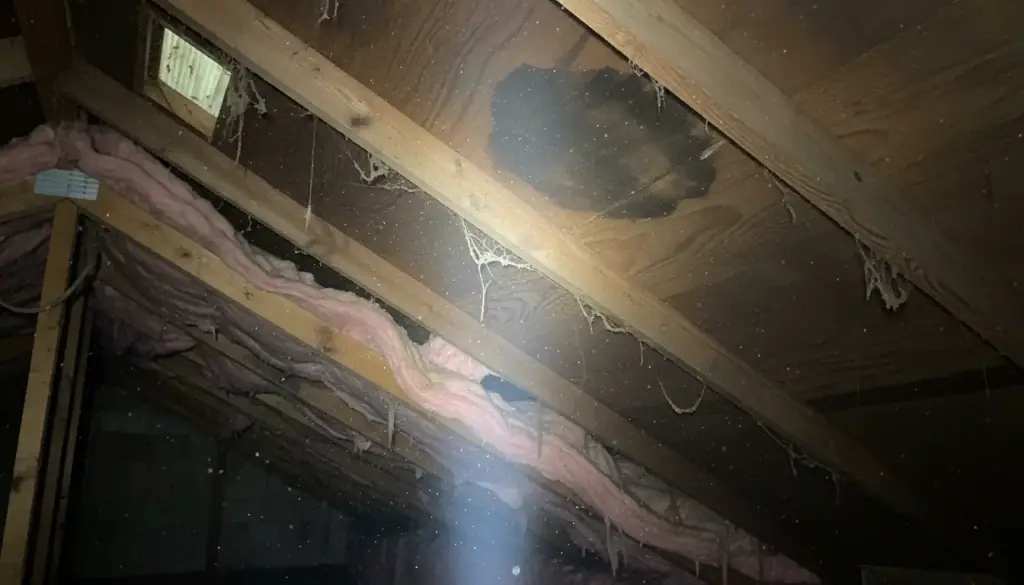
Structure comes first: the foundation, the walls, the roof and the windows. Then the electrical system, checked for safety hazards and faulty wiring, and the plumbing, checked for leaks, pipe issues and water pressure problems. After that, the heating, ventilation and air conditioning. The insulation, ventilation and overall condition of the home come last, usually from the attic.
Plan on two to four hours on site, depending on the size and condition of the property. A smaller, well-kept house sits near the short end. An older home with a lot to open up and look behind takes the long end.
You choose the date and time on the online scheduling platform, or by phone, text or email. Payment is due upfront, 2 hours before the arrival time of the initial inspection, so the money part is settled before we walk through the door.
What the report is for, and where part of the fee goes
A buyer uses the findings to negotiate repairs or the price before the option period closes. A homeowner uses them to plan maintenance in the order it will hurt: the roof before the paint, the wiring before the remodel. A seller can fix the small things before listing, so the buyer's inspector finds less to argue about.
Inspections are the core of this business, and the income they generate pays for the nonprofit repair program: handrails, ramps and minor repairs for elderly and low-income families. Booking an inspection is how that work gets funded.
Buying a house that needs real renovation? Ask about the HUD FHA 203(k) write-up when you call. Questions before you book are welcome too.