How a HUD FHA 203K Consultant Can Help You Renovate Your Home?
A worn-out house can be a smart buy when the repair plan is solid, and the consultant is the person who builds that plan with you.
October 16, 2026 · 4 min read
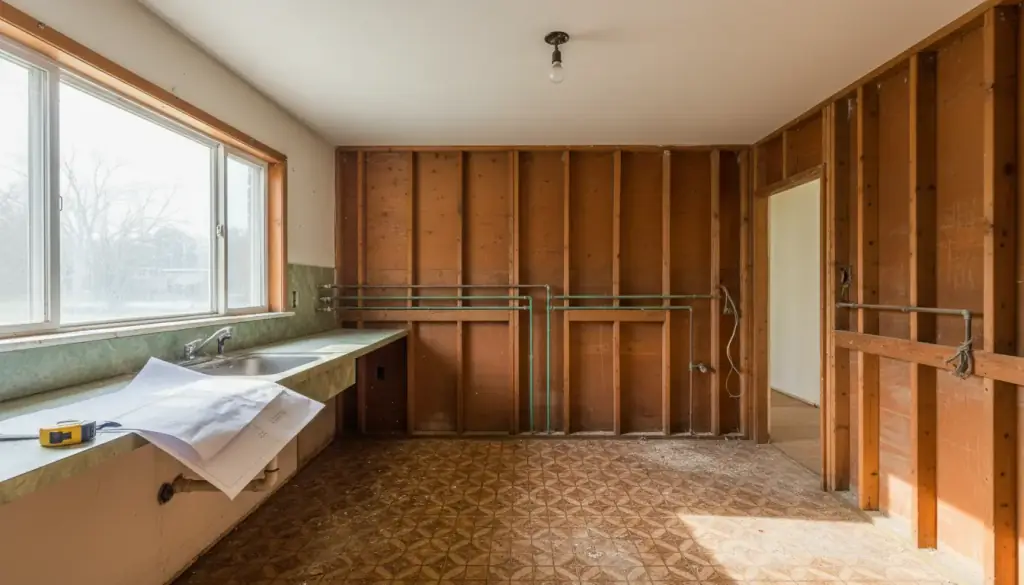
A worn-out house can be a good buy. The price usually reflects the work it needs, and a lot of that work is the kind that can be fixed. The hard part is the question sitting underneath the whole plan: what will all of it cost, and who makes sure it gets done right? A renovation loan is designed to answer that before you commit. A HUD FHA 203(k) consultant is the person who helps you get from a rough wish list to a plan a lender can actually work with.
If you have never done this before, the process can feel like a stack of forms with your future riding on it. It does not have to feel that way. Most of it comes down to a few jobs done in the right order, and the consultant handles the heaviest of them.
What a 203(k) consultant actually does
Think of the consultant as the person who translates between you, your lender and your contractor. You know what you want the house to feel like. Your lender needs numbers and documents. A contractor needs a clear list of work to price. The consultant turns the first into the other two.
In practice the job breaks into a handful of steps.
- A property assessment, where the consultant walks the house and looks closely at what needs attention.
- A work write-up that lists every repair the project needs, written out in plain terms.
- A detailed cost analysis, so your repair budget rests on the real list and not a hopeful guess.
- Help coordinating with contractors, so everyone bidding is pricing the same scope of work.
- Attention to HUD compliance along the way, so the paperwork lines up with what the program expects.
That last item is the reason to hire someone who works in this world every day. Renovation programs have their own way of doing things, and one missed detail can slow a closing down.
Why the work write-up matters so much
The write-up is the center of the whole project. It is the document that says, line by line, what will be repaired or replaced. If it is thin, you get surprises later. If it is thorough, you get a budget you can trust and a list that keeps everyone honest.
Here is a simple example. Say the kitchen is the room you care about most. A casual walk-through might land on new counters and cabinets. A careful assessment might also notice that the supply lines under the sink are old, that the wiring behind the wall is older than the rest of the room, and that the floor underneath has been damp for a while. None of that is glamorous. All of it is far cheaper to deal with while the room is already open. The write-up is where those problems get found, priced and put on paper before any work begins.
A strong write-up also helps on the lending side. A lender is usually more comfortable with a repair plan that is specific and has numbers that add up, because it shows the project has been thought through from the first nail to the last coat of paint.
Working with contractors without the guesswork
Finding a contractor is its own kind of stress, especially if you are new to the area or new to renovating. The consultant can help here as well. When bids come in, they are much easier to compare if every contractor has priced the same written scope. If one bid is far lower than the rest, the write-up helps you see whether that contractor quietly left something out.
It also helps to have someone in your corner who understands how these projects move. A contractor who has worked on renovation-loan jobs before tends to understand that the plan on paper is the plan they are expected to build. That shared understanding saves arguments later.
Different loans, same need for a plan
FHA 203(k) is the renovation loan most people have heard of, but it is not the only option. Fannie Mae HomeStyle is another, and a consultant who knows both can help you think through which one fits your purchase or refinance. The right answer depends on your situation and on what your lender offers, and your lender is the one who can tell you what they are able to write.
If you do not have a lender yet, ask the consultant. They can connect you with lenders to get you started on mortgage approval, which saves you from phoning around and explaining your project from scratch to each new person.
What a consultant costs
Consultant fees scale with the size of the repair budget. The smaller the project, the lower the fee. A published fee schedule starts at $450 for repairs under $7,500 and climbs step by step as the repair cost grows, reaching $2000 for projects of $180,001 and up. Ask any consultant for their fee schedule before you sign anything, so you can fold the number into your budget from day one.
Weigh that fee against the alternative. A vague repair plan can turn into a long, expensive list of surprises.
If you are looking at a home that needs work in the Cedar Hill area, One Stop Shop can look at the property with you and talk through whether a 203(k) renovation fits your plans. Call or text (469) 658-2483, Monday to Friday, 9 to 5, and tell us the address.
One Stop Shop All Solutions LLC, (469) 658-2483
Call (469) 658-2483More articles
Protect Your Investment: The Power of a Home Inspection
A home inspection is a two-to-four hour look at the whole house, and the report it produces can change what you pay or whether you buy.
The Importance of Professional Home Inspection Services
Skipping the inspection feels like saving money, right up until the first surprise repair, so here is how to pick a good inspector and use the result.