The Importance of Professional Home Inspection Services
Skipping the inspection feels like saving money, right up until the first surprise repair, so here is how to pick a good inspector and use the result.
October 16, 2026 · 4 min read
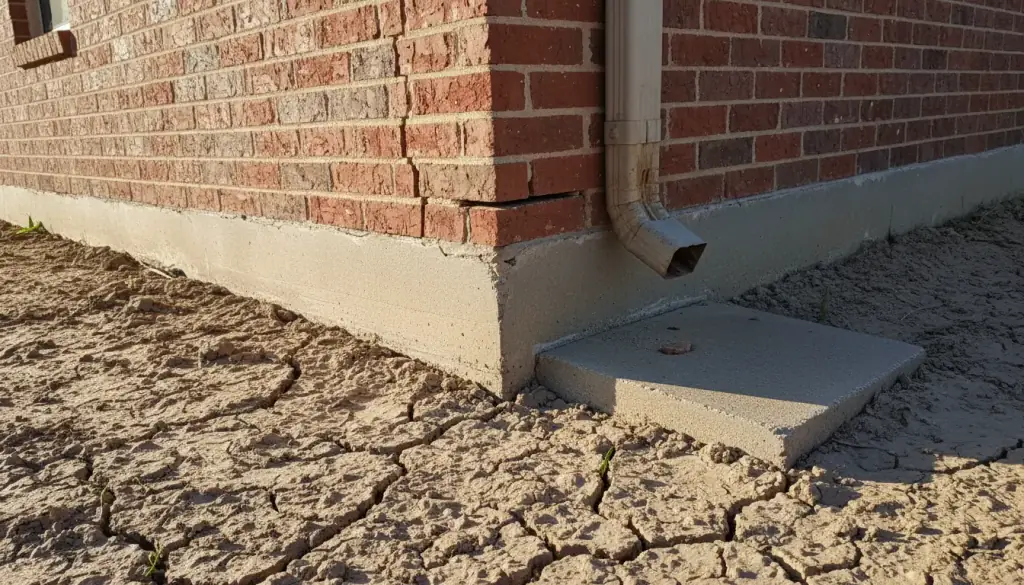
It happens more often than people admit. The market is busy, the house is lovely, and a friend says to waive the inspection to make the offer stronger. The decision feels brave. A few months later a water stain spreads across the living room ceiling, and the story changes.
Buying a home without a professional inspection is buying blind. You are agreeing to take on every hidden problem the house has, at whatever price those problems turn out to cost. This post is about what a professional inspection protects you from, how to choose an inspector you can trust, and how to get the most out of the day.
What can hide in a good-looking house
A showing is a short visit during the best hours of the day. It is not designed to show you the attic, the crawl space, the panel, the pipes or the roof surface. Some of the most expensive problems in a house are the ones you cannot see from the living room.
- Slow leaks behind walls or under floors that have not yet left a stain.
- Wiring that was added over the years by different people with different standards.
- Heating and cooling equipment that works today and is near the end of its life.
- Roof wear that looks fine from the street.
- Poor ventilation or thin insulation that quietly raises your energy bills.
A trained inspector knows where to look and what ordinary wear looks like compared with a real warning sign. That experience is what you are paying for.
How to choose an inspector
Not every inspector is the same, and the cheapest quote is not always the best deal. Here is what to look for.
- Membership in a professional association such as ASHI or InterNACHI, which usually means the inspector has met training standards and follows a code of ethics.
- A current state license. Ask for the number and check that it is valid.
- A sample report you can read before you hire. Look for clear photos and plain language, not just checkboxes.
- A willingness to let you attend the inspection and ask questions.
- Clear pricing and scheduling, including how and when payment is due.
Be wary of anyone who rushes you, will not answer a simple question, or promises that nothing will be found. Every house has something. An inspector who tells you otherwise is either not looking or not being honest.
It also helps to pick your own inspector. A recommendation from your agent can be good, but you are the one who is buying the house. Ask for a couple of names, compare them, and choose the person you trust.
Making the most of inspection day
Go to the inspection if you possibly can. You will learn more in three hours than in three weeks of reading about houses. Bring a notepad and ask the inspector to explain anything that worries you. Good inspectors like questions, because an informed client makes better decisions.
Ask them to point out the shut-off valves for water, the main electrical panel and the furnace filter. Those are things you will need to know in the first week of owning the home, and it is easier to learn them with a professional standing beside you.
Reading the findings without panic
Do not be alarmed if the report is long. Almost every house, even a new one, comes back with a list. What matters is the type of finding.
Safety problems come first, then anything involving water, then the major systems, then everything else. A loose railing or a bad wire needs attention quickly. A scuffed baseboard can wait. If you sort the report in that order, it stops feeling like a verdict and starts looking like a to-do list with priorities.
From there you have choices: ask the seller for repairs, ask for a credit that reflects the price of the work, plan the repairs yourself, or walk away. Having those choices is the entire benefit of inspecting.
A fair word about limits
An inspection is not a guarantee, and it is not an appraisal. It records the visible, accessible condition of the home on the day it is done. Inspectors cannot see inside closed walls, and conditions change over time. But a thorough look still reduces the chance of an ugly surprise, and it gives you something no showing can: a clear, written account of what you are buying.
If you are buying in the Cedar Hill area and want an inspection you can follow from start to finish, One Stop Shop would be glad to help. Call or text (469) 658-2483, Monday to Friday, 9 to 5, and tell us the address and your closing date.
One Stop Shop All Solutions LLC, (469) 658-2483
Call (469) 658-2483More articles
How a HUD FHA 203K Consultant Can Help You Renovate Your Home?
A worn-out house can be a smart buy when the repair plan is solid, and the consultant is the person who builds that plan with you.
Protect Your Investment: The Power of a Home Inspection
A home inspection is a two-to-four hour look at the whole house, and the report it produces can change what you pay or whether you buy.