Protect Your Investment: The Power of a Home Inspection
A home inspection is a two-to-four hour look at the whole house, and the report it produces can change what you pay or whether you buy.
October 16, 2026 · 4 min read
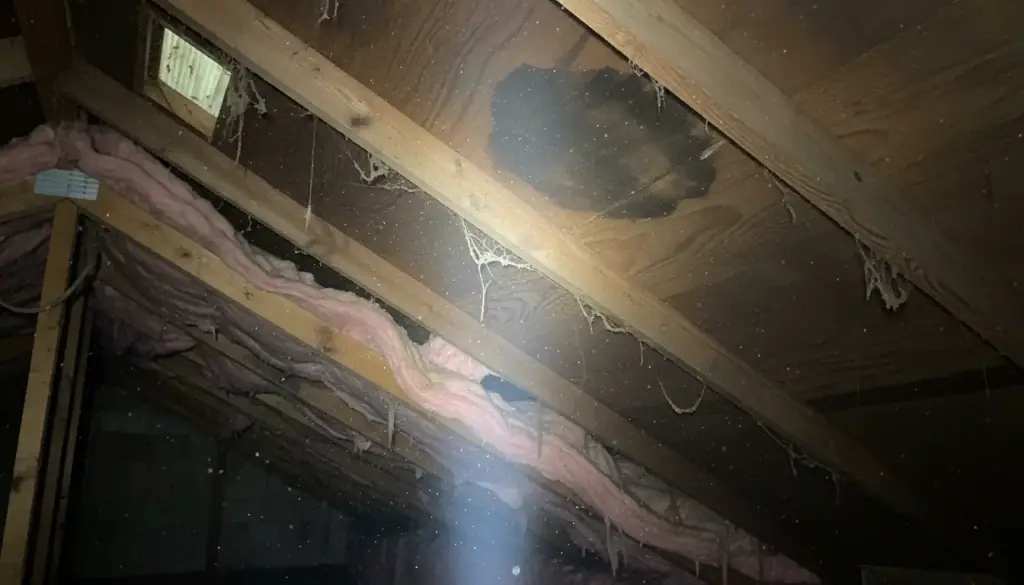
Most people spend more time choosing a sofa than they spend looking closely at the house it will sit in. That is understandable. Walkthroughs are exciting, the kitchen looks great, and the paint is fresh. But paint covers a lot. A home inspection exists to look at what paint, staging and good lighting cannot show you.
For many families a home is the largest purchase they will ever make. An inspection is a small cost next to that, and it gives you information you cannot get by walking through once with your agent. Here is what it covers, what it feels like, and how to put the report to work.
What an inspector looks at
A residential inspection is a head-to-toe review of the home's major systems and its overall condition. The inspector is looking for problems that affect safety, cost and comfort, not for decorating choices.
- Structure: the foundation, walls, roof and windows, and whether anything suggests movement, damage or wear beyond the normal.
- Electrical: the system as a whole, checking for safety hazards and faulty wiring.
- Plumbing: leaks, pipe problems and water pressure concerns.
- Heating, ventilation and air conditioning: whether the system runs and how it is holding up.
- Insulation and ventilation: how the home keeps its temperature and moves air, plus its overall condition.
Each of these areas can hide trouble that is invisible on a casual visit. A small stain on a ceiling might be an old leak that was fixed, or it might be one that is still active. A breaker panel might look fine from the front and tell a different story once it is opened. The inspector's job is to notice, test and write down what they find.
What the day looks like
Plan on the inspection taking about two to four hours, depending on the size and condition of the property. A compact, well-kept house moves faster. A large or older home with a lot to look at takes longer, and that is a good sign that the inspector is being careful and not rushing.
You are welcome to be there, and if you can be, go. Following the inspector from room to room is the quickest way to understand the house. You will see what a failing water heater looks like, where the attic insulation has thinned out, and which problems are routine maintenance and which are serious. A written report is useful, but standing next to the problem makes it real.
A few practical notes. Make sure the utilities are on so the systems can be tested. Make sure the inspector can reach the attic, the panel and any crawl space. And ask about payment ahead of time, since some inspectors require it before they arrive.
How to read the report
A good report can run long, and a long report can feel alarming. Almost every home has a list of findings, including newer ones. The skill is in sorting that list instead of reacting to its length.
Start with anything marked as a safety concern. Wiring problems, missing handrails and active leaks go to the top. Next, look at the big systems: roof, foundation, plumbing, heating and cooling. These are the items that can cost real money if you ignore them. Cosmetic items and small maintenance jobs go last. They matter, but they should not drive the decision.
What to do with what you learn
The report gives you options, and more than one of them is a good outcome.
- Ask the seller to make specific repairs before closing.
- Ask for a price adjustment that reflects the cost of the work.
- Plan and budget for the repairs yourself, knowing exactly what they are.
- Walk away, if the findings are bigger than you want to take on.
None of those is a failure. Buying with open eyes is the point. Finding out about a failing roof after closing is a bad week. Finding out before closing is a negotiation.
Not just for buyers
Inspections are not only for people about to buy. Sellers sometimes want to know what a buyer's inspector will find, so they can fix things first. Homeowners who plan to stay for years can use one as a checkup, to catch small problems while they are still small. If you are caring for an older relative's house, an inspection can tell you where to spend money first.
An inspection is a snapshot of the home on the day it is done. It will not predict every future repair, and no inspector can see inside a wall without opening it. What it does is give you an organized, honest picture so you can decide with facts.
One Stop Shop does residential inspections in Cedar Hill and the Dallas-Fort Worth area, and payment is due two hours before the inspector arrives. Every inspection also helps fund home repairs for elderly and low-income families. To book, call or text (469) 658-2483, Monday to Friday, 9 to 5.
One Stop Shop All Solutions LLC, (469) 658-2483
Call (469) 658-2483More articles
How a HUD FHA 203K Consultant Can Help You Renovate Your Home?
A worn-out house can be a smart buy when the repair plan is solid, and the consultant is the person who builds that plan with you.
The Importance of Professional Home Inspection Services
Skipping the inspection feels like saving money, right up until the first surprise repair, so here is how to pick a good inspector and use the result.